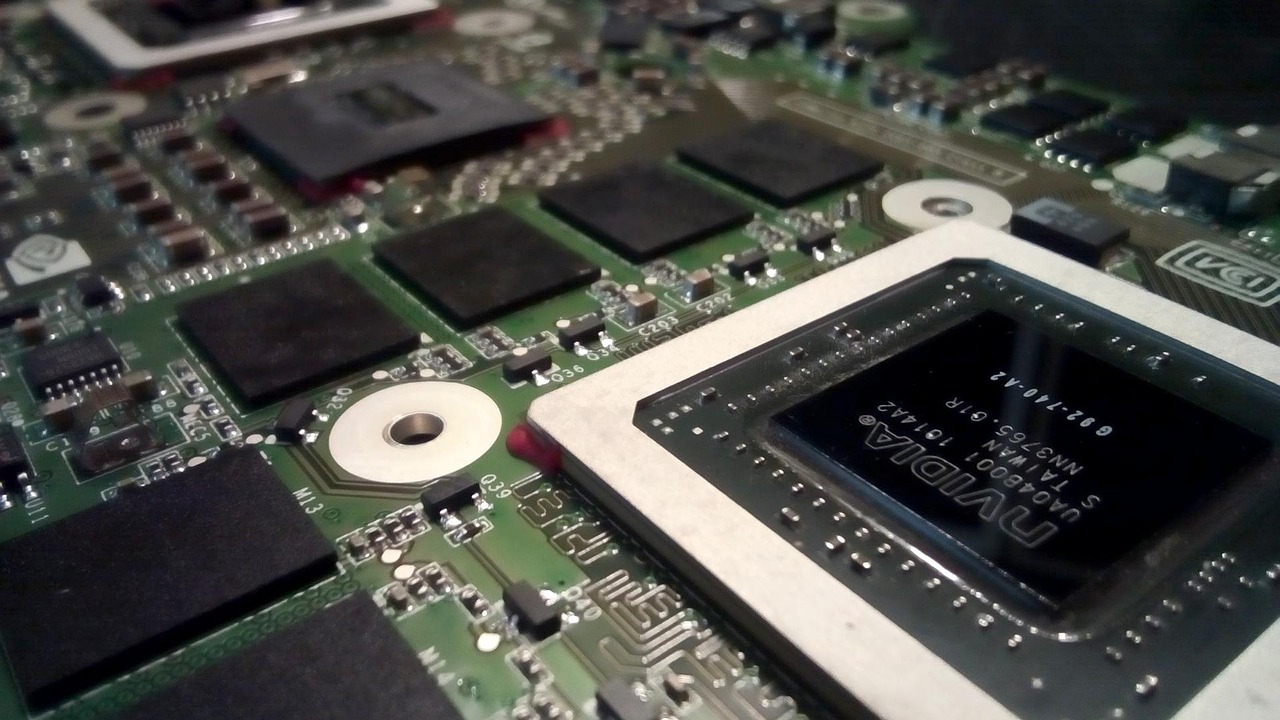
The integration of NVIDIA's advanced computing platform into Volvo's upcoming EX60 SUV marks a significant step in automating vehicle navigation and assistance. At the recent I/O conference, Google announced that its AI-powered assistant, Gemini, will use external cameras to interpret complex surroundings, starting with the interpretation of challenging parking signs.
This collaboration between Google and Volvo illustrates the automotive sector's evolution toward incorporating more intelligent systems. With Gemini's capability to analyze visual data from the EX60's external cameras, the assistant could inform drivers about parking restrictions, nearby landmarks, and lane markings. The initial use case addresses a key consumer need: simplifying the often confusing urban parking regulations. Patrick Brady, VP of Android Automotive at Google, expressed this vision, stating, “In the future, Gemini will make your drive more helpful by allowing you to learn more about your surroundings while on the road.”
The technology driving these advancements is NVIDIA’s Drive AGX Orin, which delivers the processing power for real-time analysis. This capability not only supports parking sign interpretation but also enhances Google Maps with a new Immersive Navigation feature. This feature will render routes in 3D graphics, making navigation more intuitive by integrating contextual information from the environment. For example, directions could be stated as “go past this light and take the next left at the library,” creating a more conversational and user-friendly navigation experience.

https://www.youtube.com/watch?v=aG1JQRlfS4I
However, the effectiveness of these features depends heavily on accuracy. Misinterpreting a parking sign could lead to frustrating outcomes for drivers, including fines or towing, highlighting the need for thorough testing before widespread adoption. Google must ensure that Gemini's capabilities are reliable, or users may choose to disable the feature.
As the automotive industry moves forward with AI integrations, the potential applications for machine learning and computer vision in vehicles are broadening. Beyond parking assistance, future updates could enable Gemini to answer questions about various landmarks or provide real-time updates on road conditions. This shift toward intelligent navigation systems could transform how drivers interact with their vehicles and the environment.
https://x.com/karpathy/status/2056753169888334312
The partnership between Google and Volvo, supported by NVIDIA, signifies a promising direction for AI in the automotive sector. Successfully implementing these features could lead to safer, more efficient driving experiences, opening the door for further innovations in vehicle technology and AI applications. As testing continues, the automotive industry will closely monitor how effectively these systems can enhance daily commutes and longer journeys.
The stories that move AI & crypto markets — before the market reacts.
Free. 7am ET. Five stories. 62,400 readers.