Render Network has carved a niche in the decentralized GPU rendering space, addressing a critical gap for creators in need of rendering power. With its ongoing migration to the Solana blockchain, the project is set to enhance its capabilities significantly. This strategic move streamlines operations and strengthens its foundational focus on the creator economy.
Decentralized GPU Rendering Needs
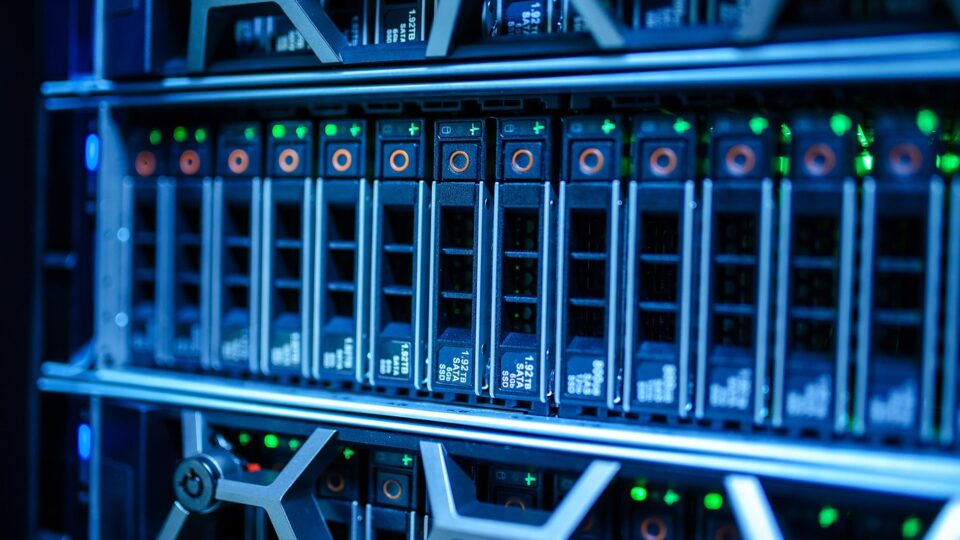
The demand for high-quality visual production is intensifying. Render Network connects creators, such as 3D artists and motion designers, with GPU providers that have surplus compute resources. This relationship alleviates the bottlenecks faced by studios when local hardware is inadequate or centralized cloud rendering options become prohibitively expensive. The network's structure allows creators to submit jobs, while GPU providers are incentivized to process them efficiently through a token system that coordinates payments and work credits.
Token Economics and Migration to Solana
Originally launched on its own blockchain, Render Network has transitioned to the Solana ecosystem with the RENDER SPL token. This migration facilitates faster transactions and improves user experience by integrating token movement and ecosystem access. The shift follows years of development, with Render Network entering the public token sale phase in 2017 and launching publicly in 2020. This longer operating history gives the network an edge in a market where coordinating GPU marketplaces can be complex due to software integrations and provider reliability.
Targeted Focus and Market Position
While Render Network initially catered to traditional visual production tasks, it has expanded to include generative AI workloads. However, its core identity remains firmly rooted in serving creators through distributed GPU rendering. This targeted approach offers a narrower workload focus compared to broader cloud-compute networks, allowing Render to refine its offerings and better meet the specific needs of its users.
Future Implications
As Render Network continues to develop its platform on Solana, it stands to benefit from rapid advancements in both GPU technology and decentralized finance. The demand for distributed rendering solutions is expected to grow, particularly as the market for high-resolution creative work expands. Backed by OTOY's established rendering stack, Render Network is well-positioned to capitalize on these trends. The integration of its tokenomics, including the Burn Mint Equilibrium and Render Credits, further solidifies its operational framework, ensuring that both creators and providers can participate seamlessly in the ecosystem.
Looking ahead, the implications of Render Network’s migration and continued evolution will likely resonate throughout the decentralized GPU market. As more creators turn to AI and complex visual projects, Render’s ability to scale its offerings will be crucial for maintaining its competitive edge. The groundwork laid over the past several years has set the stage for Render to meet current demands and adapt to future challenges in the rapidly changing field of creative technology.
Quick answers
What is Render Network?
Render Network is a decentralized GPU rendering network that connects creators with GPU providers for on-demand rendering.
Why did Render Network migrate to Solana?
The migration to Solana enhances transaction speed and user experience, integrating token movement within its ecosystem.
What types of workloads does Render Network support?
Render Network primarily focuses on 3D rendering and visual production but has also expanded to generative AI workloads.
How does the token system work?
The token system coordinates payments and work credits, incentivizing GPU providers to process rendering jobs efficiently.
The stories that move AI & crypto markets — before the market reacts.
Free. 7am ET. Five stories. 62,400 readers.