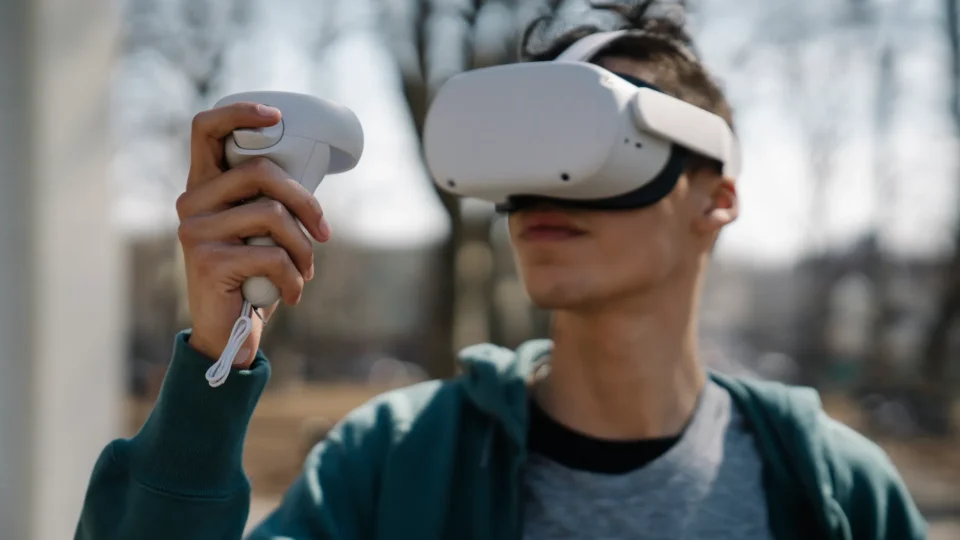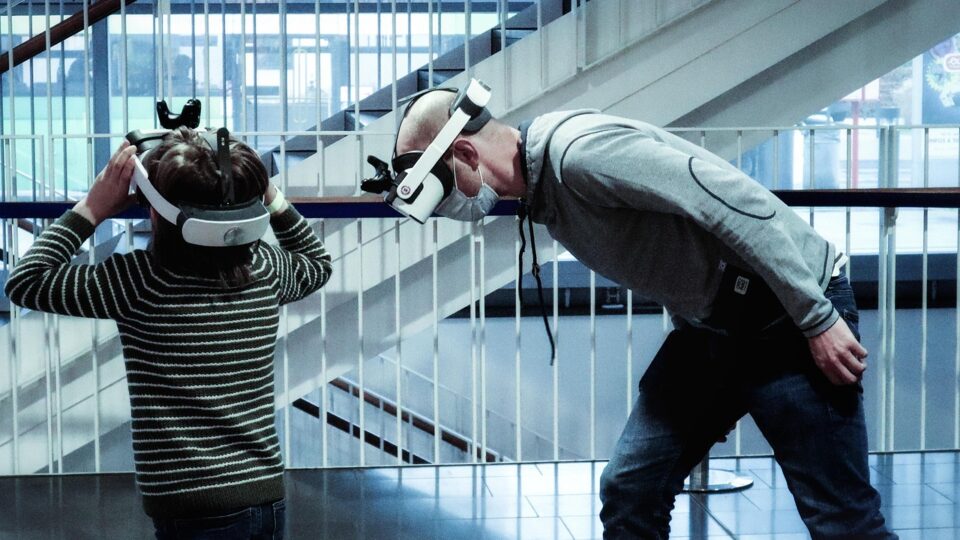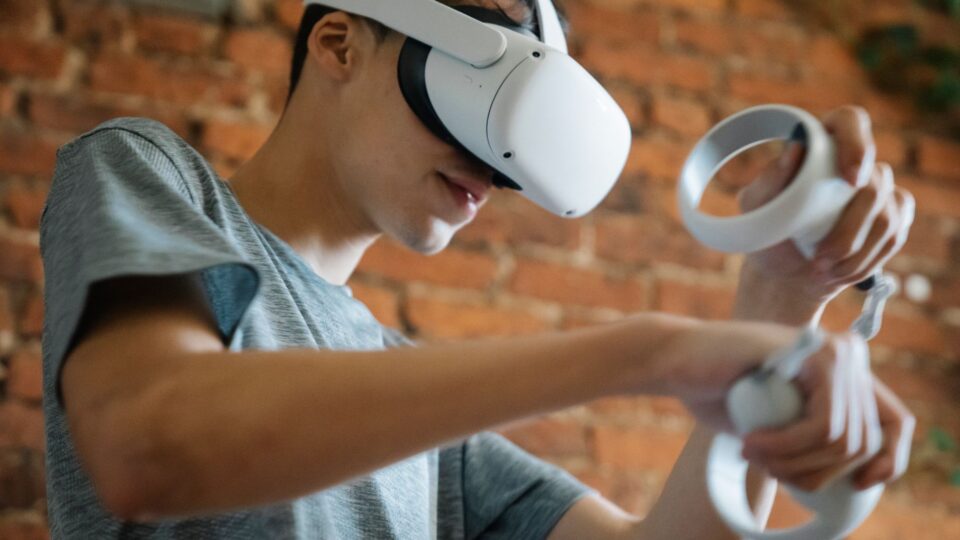
A mere 1.4% of clinical psychologists in Austria are using virtual reality exposure therapy (VRET) in their practices, according to a 2025 survey of 694 professionals. This statistic highlights a gap between the technology's potential and its actual use in therapy.
While VRET can create immersive experiences, a recent randomized trial published in JAMA Psychiatry found that mixed reality exposure for obsessive-compulsive disorder resulted in notable improvements within the group but did not significantly outperform traditional self-guided therapy. Participants reported only moderate presence in the virtual environment, raising questions about the technology's effectiveness in real-world settings.
Understanding the Resistance
Several factors contribute to the reluctance to adopt VR therapy. The Austrian survey identified four main barriers: gaps in professional knowledge, financial constraints, concerns about the quality of the patient-therapist relationship, and technological limitations. One clinician noted, "Psychotherapy has the task of enabling people to overcome their real challenges and not to create additional 'fantasy worlds'." This statement underscores the importance of the therapeutic relationship, suggesting that technological advancements alone may not address the hesitance clinicians feel toward integrating VR into their practices.
Interestingly, clinicians with prior personal VR experiences showed more openness to using VR in their therapeutic methods. This suggests that personal experience may significantly influence the willingness to adopt new technologies in clinical environments.
The Current Evidence Landscape
Current data indicate that while VR-based exposure therapy has proven effective for anxiety disorders in controlled environments, it has not shown superiority over established treatment methods. The JAMA Psychiatry trial involved 36 participants and compared mixed reality exposure therapy with self-guided exposure response prevention (ERP). The results indicated meaningful improvements; however, the absence of a statistically significant difference in primary outcomes reveals that the technology has not yet met its potential in clinical settings.
The study's authors noted that enhancing immersion and presence within the virtual environment is crucial to unlocking VR's potential benefits. The moderate sense of presence reported by trial participants may limit the effectiveness of any training or exposure therapy designed around similar technology.
Training Clinicians Through Experience
Research indicates that experiential training is one of the most effective ways to shift therapist attitudes toward exposure therapy. A 2024 study involving 12 therapists found that participating in exposure exercises themselves led to better understanding and acceptance of the technique. However, this approach poses logistical challenges, requiring specialized environments and resources that many training programs lack.
Theoretical frameworks suggest VR could serve as a scalable training platform, allowing therapists controlled access to simulated anxiety triggers without the complexities of real-life exposures. Yet, improved attitudes do not guarantee that clinicians will change their behavior in practice. Organizational factors, supervisory support, and client-specific issues often impede the application of learned techniques in therapy.
A 2023 study revealed that even among therapists familiar with VR, none had used it clinically, indicating a significant gap between interest and practical application. Therapists outlined specific requirements for effective VR tools, including interactive activities, customizable components, and client safety protocols, highlighting a clear list of unmet needs.
Future Directions for VR in Therapy
To overcome the barriers to VR adoption in therapy, efforts must focus on clinician beliefs and organizational conditions, rather than solely improving clinical software. For VR to function effectively as a training tool, it must foster sufficient presence to sustainably influence clinician attitudes and behaviors following training.
Data suggest that early pilots should target clinicians with prior VR experience and behavioral training, as they are more likely to engage with and benefit from VR training initiatives. Establishing evidence for VR's effectiveness as a therapist training platform will depend on further studies measuring the actual delivery of exposure therapy and patient outcomes.
Until concrete evidence demonstrates VR's capabilities in this context, discussions about its integration into therapeutic practices remain speculative. The next steps involve closing the knowledge gap and aligning technology with the complex needs of the therapeutic process.
The stories that move AI & crypto markets — before the market reacts.
Free. 7am ET. Five stories. 62,400 readers.