In recent developments, both Taiwan and China are advancing their integration of artificial intelligence and virtual reality into healthcare training and operational systems. These initiatives aim to streamline medical processes while enhancing the quality of training for healthcare professionals.
Expanding Training Horizons in China
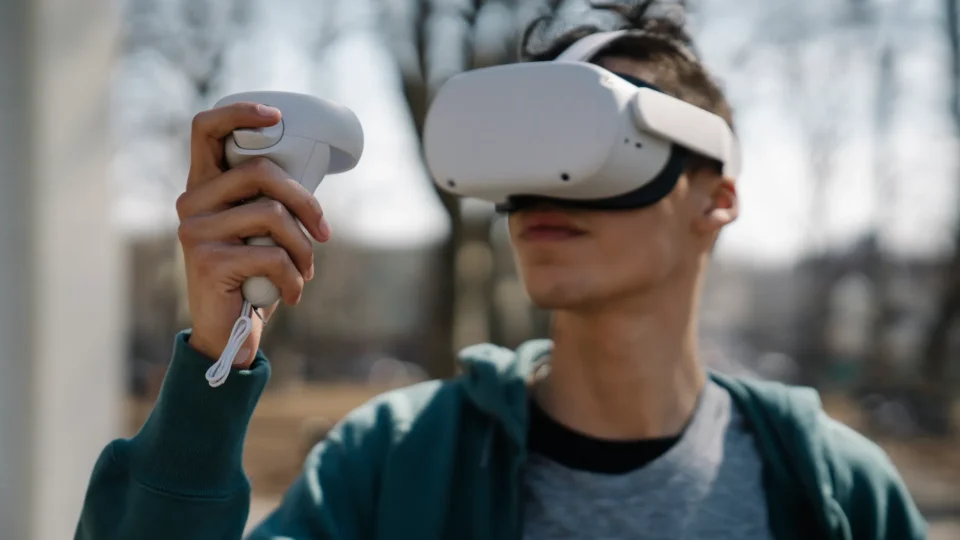
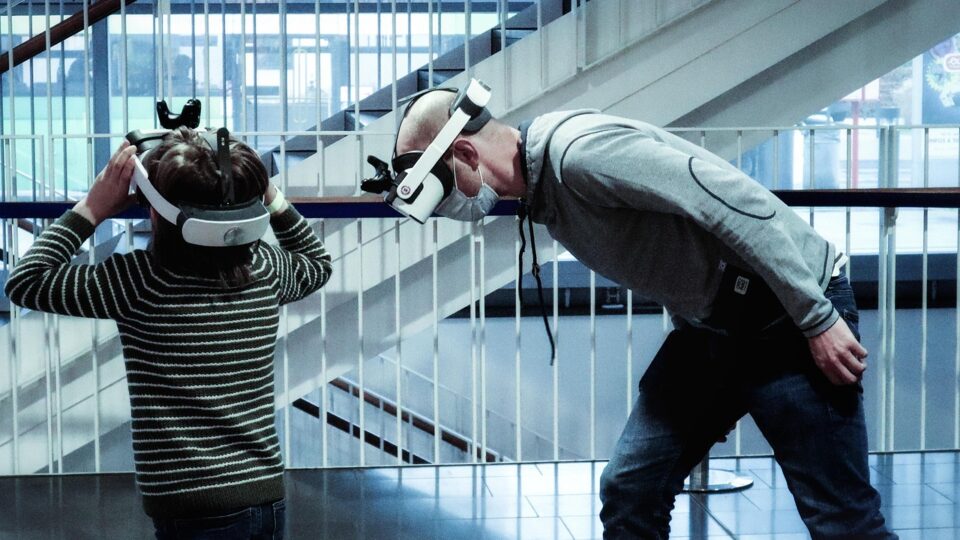
The Eye Hospital at Wenzhou Medical University has made significant progress by expanding its virtual reality (VR) cataract surgery training program. This initiative introduces six HelpMeSee Eye Surgery Simulators, which use haptic VR technology for training in manual small incision cataract surgery and phacoemulsification. Since its launch in 2018, the program has focused on providing high-repetition training opportunities for medical trainees, allowing them to perform hundreds of simulated procedures in a short period. The aim is to improve readiness for live surgeries and cut overall training durations, addressing the urgent need for skilled surgeons in ophthalmology.
AI Agents Transforming Taiwanese Healthcare
In Taiwan, a partnership between NVIDIA and Foxconn is set to transform clinical workflows at leading medical centers. This collaboration supports the government's Healthy Taiwan initiative, with a $1.5 billion investment aimed at creating a regulated AI-native health ecosystem. The deployment of Foxconn's CoDoctor platform will coordinate specialized AI agents across various medical fields, including cardiovascular care, oncology, and ophthalmology. The introduction of assistant robots—Scrub Bot and Nurabot—will improve operational efficiency by providing support in operating rooms and aiding nursing logistics.
Taiwan's commitment to integrating advanced technologies in patient care is evident in the widespread adoption of 85 FDA- or TFDA-cleared medical AI solutions across major healthcare facilities.
Enhancing Accessibility in South Korea
On a different front, Seoul National University Hospital (SNUH) has implemented a smart hearing loop system designed to improve communication for patients with hearing loss. This technology converts spoken language into magnetic field signals, which can be detected by compatible hearing aids or cochlear implants. The installation of these devices throughout key areas of the hospital underscores SNUH's commitment to creating a barrier-free environment, particularly as the population ages and the number of hearing-impaired patients increases. Funded by the Public Health and Medical Support Fund, this project aligns with broader efforts to enhance accessibility in healthcare settings.
Collaborative Efforts in Cardiovascular Imaging
In another significant development, the Asian Society of Cardiovascular Imaging (ASCI) has partnered with Royal Philips to promote cardiovascular imaging education throughout the Asia-Pacific region. This three-year memorandum of understanding includes various initiatives, such as academic seminars, clinical training, and knowledge exchange programs aimed at enhancing the skills of healthcare professionals in cardiovascular imaging.
The growing use of AI and VR technologies in healthcare across Asia signals a strong commitment to innovation in medical training and operational efficiency. As these technologies evolve, they have the potential to reshape healthcare delivery, ultimately improving patient outcomes and workflows in medical settings.
The stories that move AI & crypto markets — before the market reacts.
Free. 7am ET. Five stories. 62,400 readers.