In a significant pivot towards digital assets, macro investor Jordi Visser has publicly declared his investment in Ether, forecasting a substantial rise in demand for tokenized assets alongside the evolution of AI agents. During a recent podcast with Anthony Pompliano, Visser emphasized that tokenization is set to emerge this year, playing a key role in enabling autonomous transactions for AI agents.
Visser made a strong case for the necessity of tokenization in a rapidly changing economic environment. He remarked, “I don't think enough people are talking about tokenization and what’s happening.” His comments highlight how AI agents, which do not have access to traditional banking services, will increasingly depend on digital assets like Ether and stablecoins for transactions. He elaborated, stating, “They need food, and that food is not physical food. It is tokens.” With the current shortage of these digital assets, Visser warned of potential supply and demand challenges as the market adjusts to this new reality.
Recent data supports Visser’s claims, with autonomous online payment transactions surpassing $24 million in volume on the Coinbase x402 standard over the last month. This trend indicates a move towards more decentralized financial interactions, where AI agents are poised to play a significant role.
The urgency of tokenization is further highlighted by ongoing efforts from various crypto protocols to incorporate agentic AI payment systems into their frameworks. For example, the Algorand Foundation recently announced a partnership with Google to support the AP2 Agentic Payments Protocol, reflecting the growing demand for systems that accommodate agentic commerce.
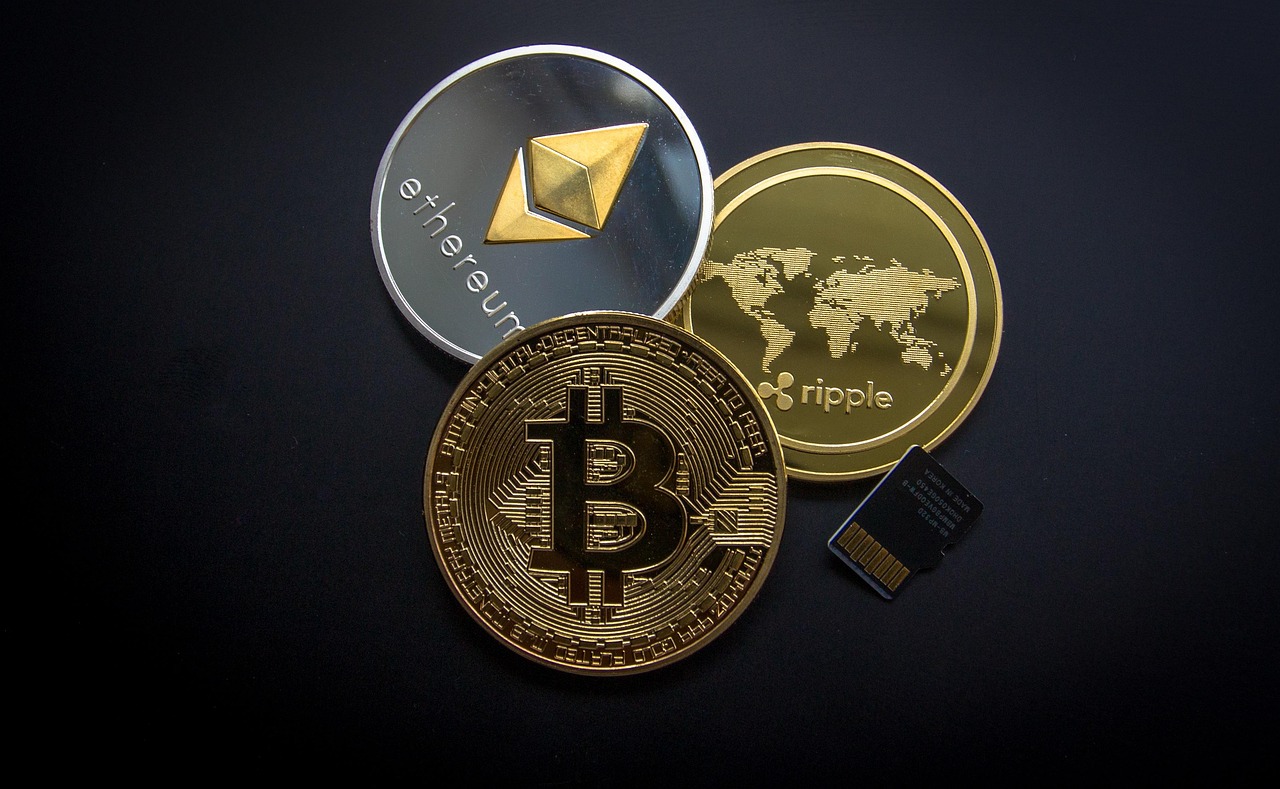
Ethereum continues to lead in this transformation, holding over 60% of the market share for tokenized assets, according to RWA.xyz. This dominance positions Ethereum not just as a platform for cryptocurrency trading but as a vital player in the broader realm of real-world asset tokenization. Visser linked the need for tokenization to a broader requirement for price discovery in previously illiquid assets, stressing that it is not merely a crypto phenomenon but a necessary mechanism for unlocking capital trapped in dormant assets like private equity and venture capital.

He stated, “So tokenization is actually needed for no other reason than price discovery for a lot of these things that they're trapped in.” This viewpoint underscores the urgent need for transparency and liquidity in the markets, especially as a significant amount of capital remains stagnant in various illiquid forms.
While promoting the potential of tokenization and AI, Visser also expressed caution regarding the economic outlook, particularly in light of rising inflation. He indicated a desire to hedge against possible market volatility through investments in gold, silver, and Bitcoin, reflecting a strategic approach to navigating the complexities of the current financial landscape.
As the integration of AI agents and tokenized assets continues to gain momentum, the implications for digital transactions and the broader financial ecosystem could be profound. With investor sentiment shifting towards these emerging technologies, the coming months may unveil significant developments in how assets are tokenized and utilized within the evolving market.
Quick answers
What is the significance of tokenization in the current market?
Tokenization is increasingly viewed as essential for enabling autonomous transactions, particularly for AI agents that cannot access traditional banking services.
How much transaction volume has autonomous online payments achieved?
Autonomous online payments have recorded over $24 million in transaction volume in the past month on the Coinbase x402 standard.
Why is Ethereum important for tokenization?
Ethereum commands over 60% of the market share for tokenized assets, making it a key player in the tokenization of real-world assets.
The stories that move AI & crypto markets — before the market reacts.
Free. 7am ET. Five stories. 62,400 readers.
Frequently asked
What is the significance of tokenization in the current market?
Tokenization is increasingly viewed as essential for enabling autonomous transactions, particularly for AI agents that cannot access traditional banking services.
How much transaction volume has autonomous online payments achieved?
Autonomous online payments have recorded over $24 million in transaction volume in the past month on the Coinbase x402 standard.
Why is Ethereum important for tokenization?
Ethereum commands over 60% of the market share for tokenized assets, making it a key player in the tokenization of real-world assets.