The U.S. Department of Energy’s Genesis Mission is steering scientific discovery into a new frontier with its ambitious integration of artificial intelligence (AI), and Fermilab is playing a key role in this evolution. By providing a sophisticated data infrastructure, Fermilab’s Fermi Data Platform supports the mission's goal to expedite and enhance research across multiple scientific disciplines.
The Role of Fermi Data Platform
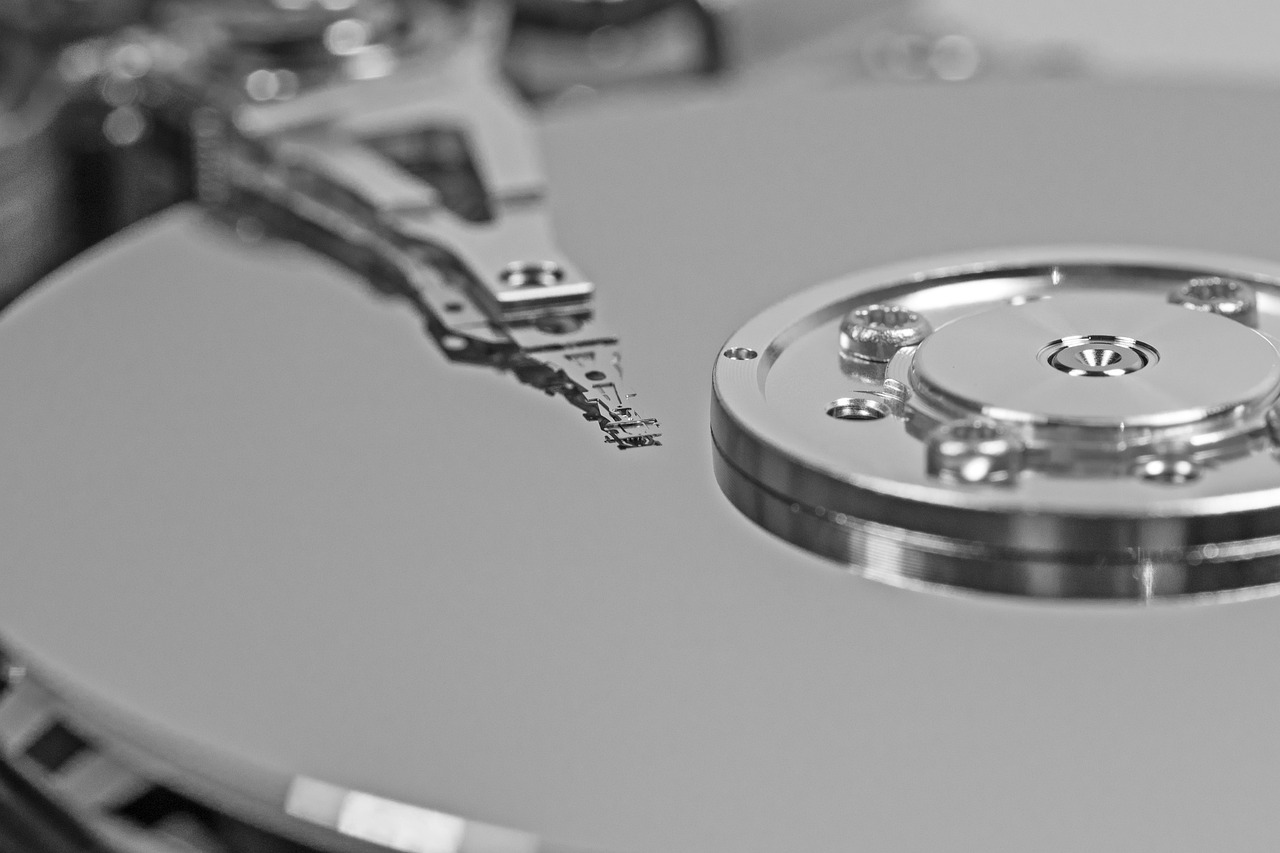
To meet the demands of advanced AI research, the Genesis Mission requires more than just powerful supercomputers. The Fermi Data Platform provides a secure and large-scale data infrastructure that allows researchers nationwide to efficiently access critical information. Built on thousands of hard drives, this system facilitates the storage and retrieval of petabytes of data, essential for AI-driven scientific inquiry.
Oliver Gutsche, the lead of the Fermi Data Platform project, emphasized the platform's capabilities: “At Fermilab, we orchestrate thousands of disks to provide petabytes of storage space, and we make sure researchers can access their data quickly and securely.” This focus on accessibility is vital for integrating AI into the research process, allowing scientists to concentrate on their inquiries without data management barriers.
Enhancing Scientific Inquiry Through AI
The Genesis Mission aims to reduce the time it takes to derive meaningful answers from scientific questions. By automating various stages of research, such as literature searches and preliminary simulations, the mission seeks to refine the process from inquiry to insight. For example, researchers can ask, "Give me the 10 most promising materials for batteries," and the system will conduct a literature review, validate findings through simulations, and narrow the results for further exploration. As Gutsche explains, “That is the kind of workflow the Genesis Mission is designed to enable.”
Integrating AI into the scientific process is not just beneficial but necessary in today’s data-driven environment. As Gutsche stated, “Data is the common denominator behind major scientific endeavors, and AI is fundamentally data-driven.” The Fermi Data Platform's role as a backbone for the American Science Cloud highlights how critical infrastructure can support this data-centric approach to research.
Collaborative Framework for Research
The American Science Cloud, part of the Genesis Mission, is envisioned as a collaborative infrastructure that brings together expertise from the Department of Energy’s national laboratories with academic institutions and industry partners. This alignment is expected to drive discovery in areas ranging from high-energy physics to materials science and fusion-energy research. With advanced AI services, researchers will articulate their needs, allowing AI-driven tools to access a wealth of resources, including supercomputers and comprehensive scientific datasets.
As the Genesis Mission progresses, the implications for scientific research are significant. Researchers are expected to undergo a structural shift in how they access and analyze data, fostering a more efficient and innovative research environment. The collaboration with Fermilab exemplifies a proactive approach to building the technological foundations necessary for future scientific advancements.
The Genesis Mission showcases the evolving nature of scientific inquiry, where AI and data infrastructure converge to enable new frontiers of knowledge. With Fermilab's extensive experience in managing vast datasets and its commitment to improving data accessibility, the mission is well-positioned to achieve its ambitious goals.
Quick answers
What is the Genesis Mission?
The Genesis Mission is a U.S. Department of Energy initiative aimed at enhancing AI-driven scientific discovery.
How does Fermilab support the Genesis Mission?
Fermilab provides the Fermi Data Platform, which offers secure data storage and access tools essential for AI research.
What are the benefits of the American Science Cloud?
The American Science Cloud integrates resources from national laboratories, academic institutions, and industry to streamline scientific discovery.
How will AI impact scientific research?
AI will automate various research processes, reducing the time needed to find answers and improving data accessibility.
The stories that move AI & crypto markets — before the market reacts.
Free. 7am ET. Five stories. 62,400 readers.