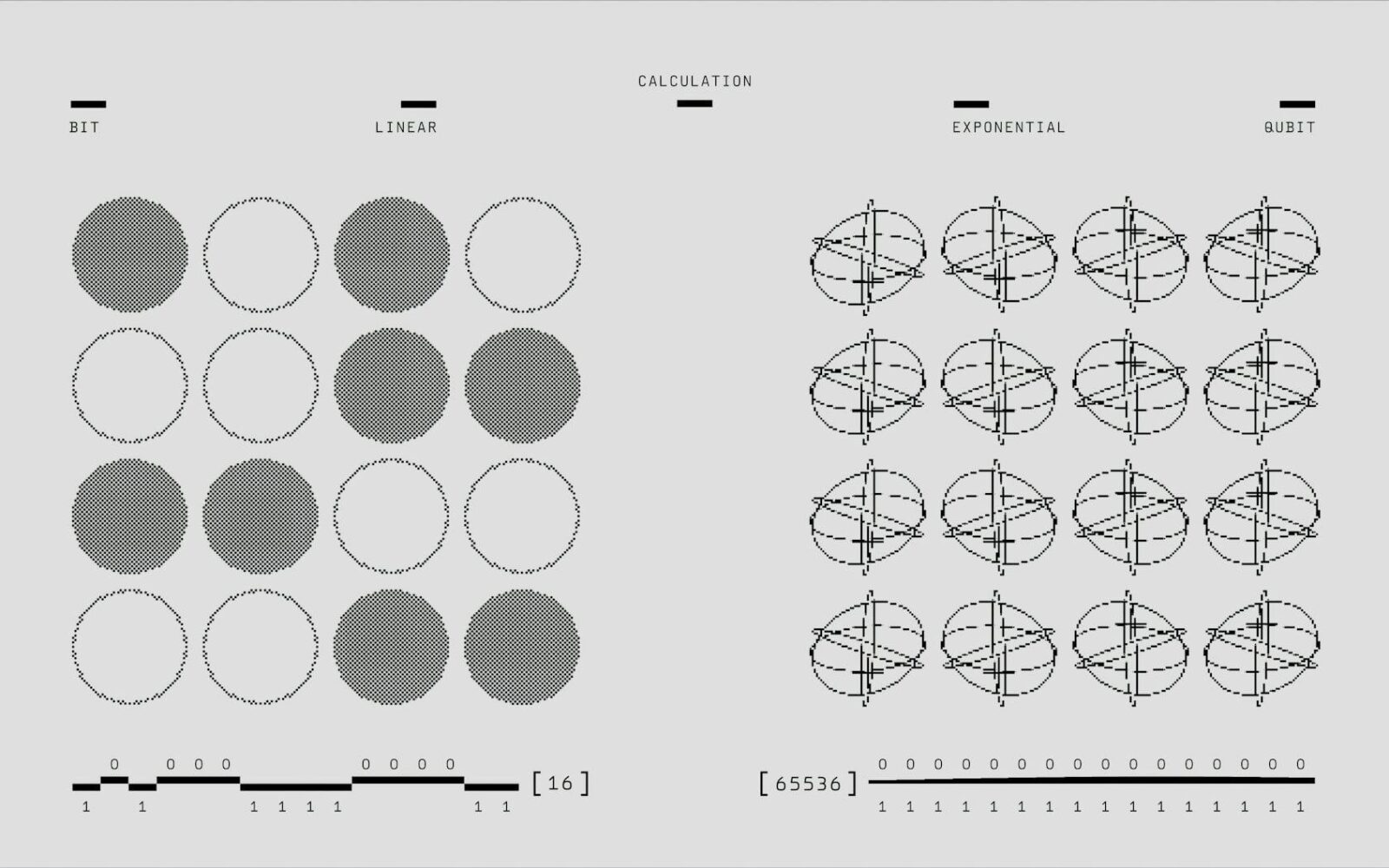
The impending reality of quantum computing presents a challenge for AI infrastructure. By 2026, the threat known as "Harvest Now, Decrypt Later" (HNDL) will evolve from a theoretical concern into a pressing operational risk. This shift demands urgent action from developers and organizations reliant on AI technologies.
Bad actors are already accumulating valuable datasets and proprietary model weights, not with immediate attacks in mind, but in anticipation of future quantum capabilities. Relying on traditional encryption methods such as RSA or ECC to protect sensitive data is like leaving critical assets unsecured in a vulnerable environment. For those working within the Model Context Protocol (MCP), transitioning to quantum-resistant cryptography is essential for maintaining data sovereignty.
The NIST Standards: A New Frontier
The National Institute of Standards and Technology (NIST) has finalized its post-quantum cryptography standards, marking a significant moment for developers. Here are the five key algorithms that will form the backbone of secure AI infrastructure:
- ML-KEM (FIPS 203): Also known as CRYSTALS-Kyber, this key encapsulation mechanism serves as the new standard for secure, quantum-safe TLS handshakes.
- ML-DSA (FIPS 204): Previously recognized as CRYSTALS-Dilithium, this digital signature algorithm balances performance and security, making it ideal for verifying model weights and API interactions.
- SLH-DSA (FIPS 205): Based on SPHINCS+, this stateless hash-based signature scheme is resource-intensive but acts as a backup in case lattice-based approaches face challenges.
- FN-DSA (Falcon): Targeted towards edge devices, this algorithm produces smaller signatures, which is advantageous for bandwidth-limited or latency-sensitive AI environments.
- XMSS/LMS: Though not suitable for general traffic, these stateful hash-based signatures excel in securing firmware and boot processes.
Preparing for the Quantum Challenge
Transitioning to these new cryptographic standards is not merely a precaution; it is necessary for safeguarding AI infrastructures against evolving threats. As quantum computing capabilities advance, the vulnerabilities associated with classical encryption methods will become increasingly pronounced. Proactively adopting quantum-resistant algorithms is vital for organizations that wish to maintain their competitive edge while ensuring the integrity and confidentiality of their data.
The landscape of cybersecurity is shifting dramatically. The urgency of adopting quantum-resistant cryptography cannot be overstated; the consequences of inaction could be dire. AI infrastructure must evolve to meet these challenges head-on, ensuring that data remains secure in an increasingly agentic world.
The stories that move AI & crypto markets — before the market reacts.
Free. 7am ET. Five stories. 62,400 readers.