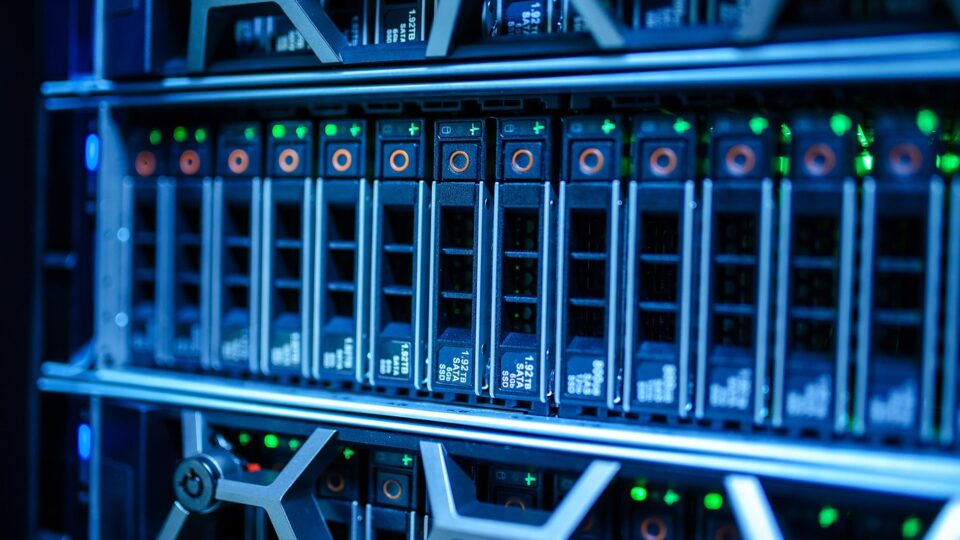
The Render Network is reshaping how GPU compute resources are used, allowing node operators to earn RENDER tokens by processing rendering jobs. Following its recent migration from Ethereum to Solana, the network has simplified its token structure by eliminating the RNDR symbol and adopting a single RENDER token. This change significantly enhances how creators can access scalable GPU power without the burdens of traditional cloud contracts.
As demand for GPU computing services rises—reflected by a 278% increase in monthly token burn rates by September 2025—tracking the market dynamics surrounding RENDER is essential for developers and investors. Integrating the CoinMarketCap API into a GPU pricing tracker provides a structured method for understanding market movements and DePIN (Decentralized Physical Infrastructure Network) narratives.
The CoinMarketCap API is a powerful tool for tracking RENDER's price, volume, and market momentum. By using this API, developers can monitor real-time price changes and gain insights into DePIN trends and macroeconomic conditions impacting the Render Network. This proactive approach allows users to respond to market signals rather than just reacting to them.
The Role of CoinMarketCap API
The CoinMarketCap API serves as an important off-chain signal layer, providing vital data for the Render Network. It aids in asset discovery, delivering accurate pricing information and liquidity validation for RENDER across decentralized exchanges (DEXs) on Solana, including Raydium and Orca. Additionally, it helps developers sift through various macro regime indicators to evaluate market conditions before engaging in on-chain interactions.
Users can monitor daily trading volumes and price momentum for RENDER, offering a comprehensive view of the market's status. The API also resolves RENDER to its correct CoinMarketCap ID, ensuring developers work with accurate data, especially following the transition from RNDR to RENDER.
Setting Up the Tracker
To create a Render Network GPU pricing tracker using the CoinMarketCap API, developers must set up their environment and configure several parameters. This involves obtaining an API key from CoinMarketCap and establishing necessary dependencies in Python, such as requests and pandas. The setup requires hardcoding specific values, including the Solana mint address for RENDER, to ensure precise DEX calls.
Here’s a brief overview of the key steps involved in the setup:
- Map RENDER to CoinMarketCap ID: Using the
/v1/cryptocurrency/mapendpoint, developers can programmatically resolve RENDER to its CoinMarketCap ID, which is essential for accurate queries. - Fetch Quotes and Momentum: By pulling data from the
/v3/cryptocurrency/quotes/latestendpoint, developers can track price and momentum metrics, including 24-hour trading volume and market capitalization.
This structured method of data retrieval enables a detailed analysis of RENDER's market presence, helping users identify shifts in demand for GPU compute resources and anticipate future trends.
Implications for the Future
As the Render Network continues to evolve within the decentralized computing space, accurately tracking its performance through tools like the CoinMarketCap API will become increasingly vital. Real-time data monitoring will not only benefit developers and investors but also enhance the overall efficiency of the Render Network.
With GPU compute demand on the rise, insights gained from such a tracker could guide strategic decisions across the board—from node operators aiming to optimize their earnings to investors navigating the DePIN landscape. Ultimately, as the Render Network expands, leveraging comprehensive data analytics will be crucial for capitalizing on emerging opportunities within this dynamic ecosystem.
The stories that move AI & crypto markets — before the market reacts.
Free. 7am ET. Five stories. 62,400 readers.