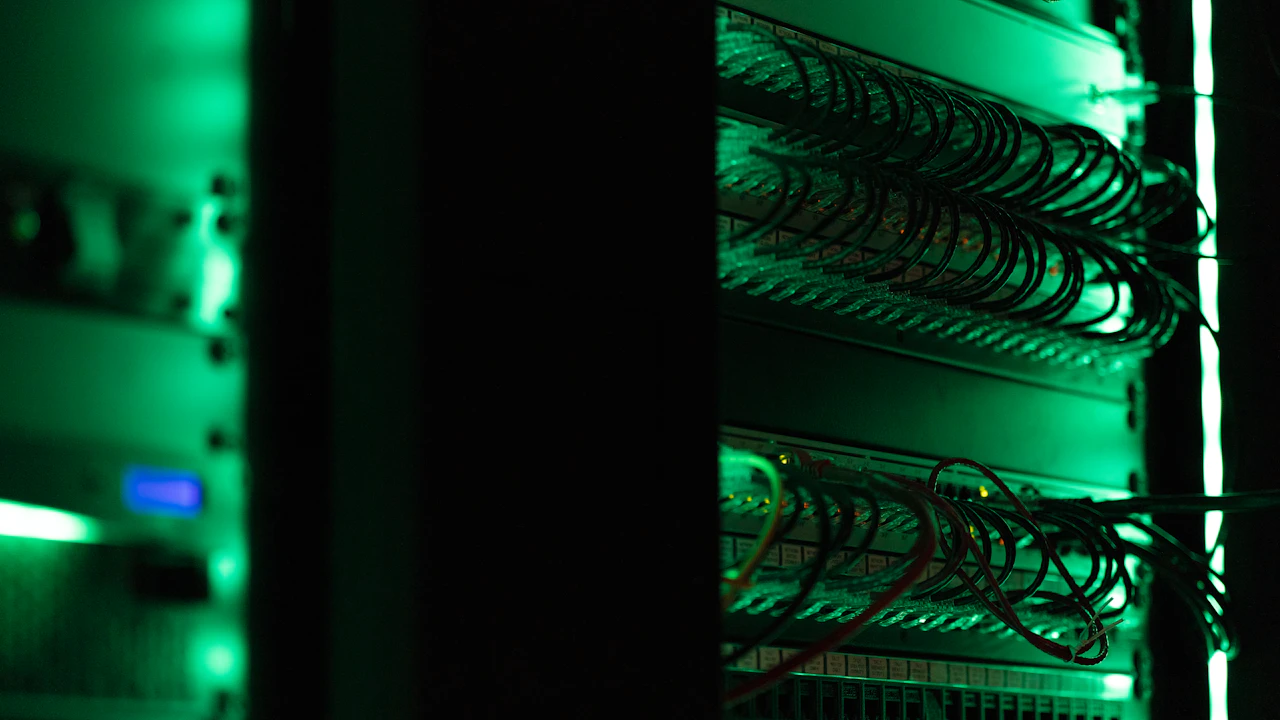
In a notable shift in the AI sector, SpaceX has announced its entry into the AI compute market through a partnership with Anthropic, a prominent AI firm. This agreement grants Anthropic access to SpaceX's Colossus 1 compute cluster, which features 220,000 GPUs and operates on roughly 300 megawatts of power. This development not only marks SpaceX's transition from a traditional rocket manufacturer to a significant player in AI infrastructure but also responds to the growing demand for computational power among AI developers.
A New Business Model for SpaceX
SpaceX is taking advantage of its investment in the Colossus 1 cluster by introducing "compute as a service." This setup enables Anthropic to utilize substantial GPU resources without needing to build and maintain its own data centers. This deal is particularly vital for Anthropic, which depends on extensive computational power to train its AI models, including the Claude family of products. By collaborating with SpaceX, Anthropic can bypass current limitations in GPU availability, allowing it to scale operations more effectively.
Implications for Decentralized Compute Networks
This partnership raises important questions for the broader AI and crypto markets. Decentralized compute networks like Render, Akash, and io.net have built their value propositions around addressing GPU scarcity. However, with centralized entities like SpaceX entering the compute-for-hire space, the dynamics may change significantly. SpaceX's capacity to provide 220,000 GPUs for a single client sets a new standard that most decentralized networks are unlikely to match, potentially reshaping the competitive landscape.
The implications of this concentration of power in the GPU market are considerable. If only a few companies dominate the infrastructure necessary for training leading AI models, emerging AI labs may face insurmountable barriers to entry. While Anthropic may have a solution to its immediate capacity challenges, it also risks long-term dependence on SpaceX's infrastructure.
The Vision for Space-Based Compute Resources
Looking forward, SpaceX has hinted at plans to create orbital data centers, which could transform the compute landscape. The vision includes scaling to several gigawatts of compute resources in space, further establishing SpaceX's role as a key player in the future of AI infrastructure. This initiative could offer a unique advantage in the pursuit of more efficient and powerful computational capabilities, positioning SpaceX not just as a service provider but as a leader in the emerging space-based compute market.
As demand for AI training and inference workloads continues to rise, the need for scalable, reliable compute resources will only increase. Companies like SpaceX, with their existing infrastructure and innovative vision, are well-positioned to seize this growing market. The interaction between centralized and decentralized compute solutions will be an important area to monitor, with implications for both the AI sector and the wider crypto economy.
Quick answers
What is the significance of SpaceX partnering with Anthropic?
The partnership allows Anthropic to access massive GPU resources, addressing its computational needs while showcasing SpaceX's expansion into AI infrastructure.
How does this deal affect decentralized compute networks?
SpaceX's entry into the compute market may shift the competitive landscape, as it can provide significantly more resources than most decentralized networks.
What are SpaceX’s future plans for AI compute infrastructure?
SpaceX has indicated ambitions to develop orbital data centers, potentially scaling its compute resources into space.
The stories that move AI & crypto markets — before the market reacts.
Free. 7am ET. Five stories. 62,400 readers.