The recent introduction of Google's Gemini Omni at the I/O event marks a significant moment in AI-generated video technology, with major implications for GPU computing. This multimodal model can create 10-second video clips from various inputs and is expected to drive up the demand for GPU processing power as it integrates into popular platforms like YouTube Shorts and the Gemini app.
The Evolution of Video Generation Models
Gemini Omni is a major upgrade over its predecessor, the Veo model, which focused on standalone video generation. With the launch of Gemini Omni Flash, Google is adopting a comprehensive approach, enabling the creation of dynamic video content from text, images, audio, and existing video. This shift reflects a broader trend in AI development, where systems are designed to manage multiple types of media together.
Initial demonstrations of Gemini Omni highlighted its capabilities, especially in text rendering within video and advanced scene editing features. These improvements are enhanced by a conversational interface that allows users to refine their video clips iteratively through dialogue, simplifying the creative process.
Implications for GPU Infrastructure
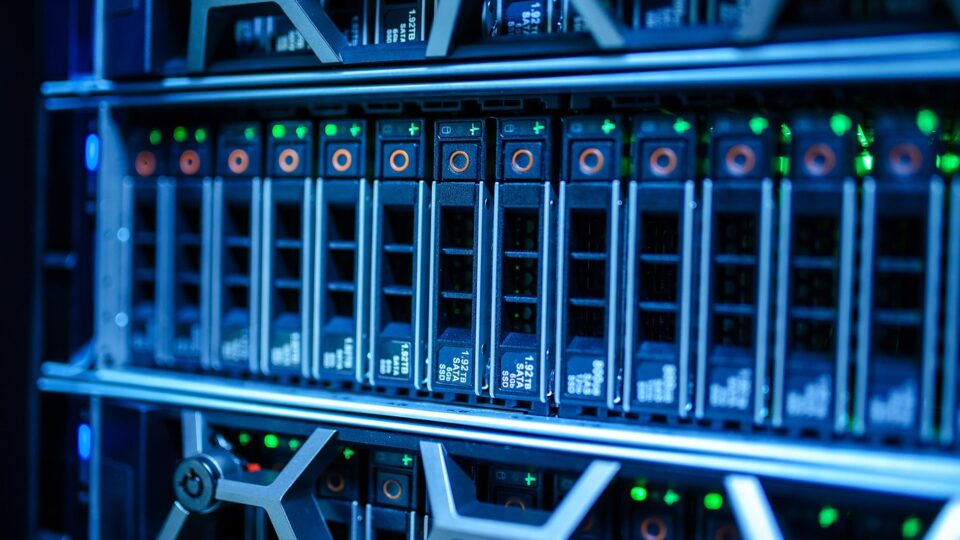
Generating video content requires significantly more computational power than creating static images. Each 10-second video clip with synchronized audio demands extensive processing capabilities, far exceeding the needs of traditional models. As Google deploys Gemini Omni across its platforms, the anticipated increase in user engagement is likely to put pressure on existing centralized cloud infrastructures, which may struggle to meet the rising demand for GPU compute resources.
While the announcement did not explicitly mention cryptocurrency or blockchain technology, the implications for decentralized compute networks are noteworthy. Projects like Render Network and Akash Network could play a key role in fulfilling the expected demand for processing power, as they provide decentralized solutions that can scale more effectively than conventional cloud providers. As the environment shifts, these platforms may become crucial in supporting the growing needs of AI-driven applications.
A Future of Decentralized AI
The launch of Gemini Omni shows that Google is not only enhancing its AI capabilities but also redefining how multimedia content is generated and consumed. As the model gains popularity and the demand for GPU compute increases, decentralized networks may be well-positioned to tackle the challenges posed by centralized systems. The future could see a more collaborative landscape in AI infrastructure, where decentralized solutions complement the strengths of major tech companies.
As Gemini Omni enters the market, the impacts on GPU demand and infrastructure are likely to transform the AI landscape, ushering in a new era for both video generation and decentralized computing.
The stories that move AI & crypto markets — before the market reacts.
Free. 7am ET. Five stories. 62,400 readers.