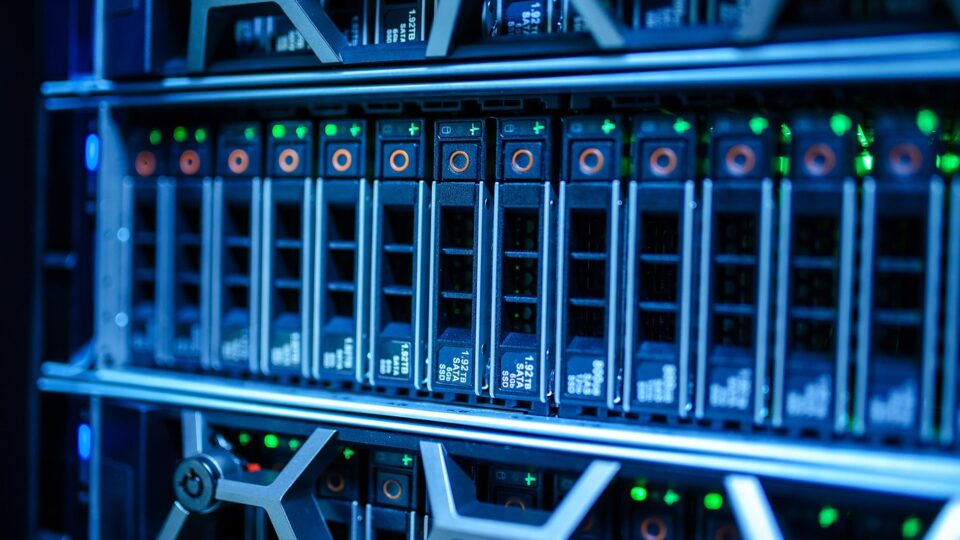
Render Network has emerged as a key player in the decentralized GPU rendering ecosystem. At its core, it addresses a pressing need: the vast amounts of idle GPU power across the globe that can be harnessed for demanding visual tasks. By creating a decentralized marketplace, the network connects creators in need of rendering power with node operators who supply the necessary computational resources.
The RENDER token serves as the currency of this ecosystem, facilitating payments for compute work performed on the platform. Unlike conventional models that impose fixed service fees, Render employs a burn-mint equilibrium model. This approach aligns the token's value with actual network usage, ensuring that prices are determined through a natural balance of supply and demand.
Transitioning from the legacy RNDR token model, Render has successfully migrated to a Solana-based SPL token. This shift streamlines the user experience and enhances transaction speed and cost efficiency—critical factors for a platform built on high-throughput compute.
How Render Network Operates
At the heart of Render Network's architecture are two primary participants: creators and node operators. Creators—be they artists, studios, or AI developers—upload rendering jobs that require substantial computational power. Node operators provide their GPU resources to fulfill these jobs, compensated through the RENDER token. This relationship forms a decentralized compute marketplace that thrives on collaboration rather than relying on centralized cloud providers.
When a creator submits a job, they can choose from various service tiers based on their specific needs, including speed and cost preferences. The network intelligently allocates the workload across its extensive pool of GPU resources, allowing for parallelized rendering. This feature is particularly advantageous for complex scenes and generative workflows, which can be processed concurrently across thousands of GPUs.
Economic and Governance Mechanics
Render's economic model emphasizes flexibility and user engagement. The burn-mint equilibrium model is pivotal, linking token consumption with the actual demand for rendering services. This structure aids in forecasting costs more accurately and ensures that pricing reflects real-world usage patterns.
Governance within the Render ecosystem is community-driven, with the Render Network Foundation overseeing a decentralized framework for protocol proposals and decision-making. Tokenholders can actively participate in governance through their RENDER holdings, allowing them to influence the network's future direction.
Broader Use Cases and Future Potential
Render Network's capabilities extend far beyond traditional 3D rendering. It is increasingly recognized for its applications in generative AI and machine learning workflows. As AI continues to advance and require substantial computational resources, Render positions itself at the intersection of visual content creation and AI-driven projects.
The ongoing demand for GPU power in AI applications highlights Render's relevance within both the creative and tech communities. The network's design facilitates not only the rendering of visual effects but also the processing of complex AI algorithms, making it a versatile solution for a wide range of users.
As Render continues to evolve, it is likely to attract interest from a diverse array of creators, including those in 3D design, motion graphics, and AI development. The integration of more advanced features and ongoing governance improvements signal a promising future for the Render Network.
Conclusion
Render Network represents a significant innovation in the GPU rendering space, providing a decentralized solution for creators who need scalable rendering power. With its unique economic model and active governance, RENDER transcends being just a token; it embodies vital infrastructure for modern digital creation and AI workflows. As the demand for GPU resources grows, Render is well-positioned to remain a key player in the market, making it a project worthy of attention in the evolving narrative of AI and decentralized technologies.
Quick answers
What is Render Network?
Render Network is a decentralized GPU rendering platform that connects creators needing computational power with node operators providing GPU resources.
How does the RENDER token function?
The RENDER token is used to pay for compute work on the network via a burn-mint equilibrium model, which aligns token value with actual network usage.
What is the significance of the migration to Solana?
The migration to Solana enhances transaction speed, reduces costs, and improves the overall performance of the Render Network.
Who benefits from using Render Network?
Both creators needing rendering services and node operators with available GPU resources can benefit from the Render Network.
The stories that move AI & crypto markets — before the market reacts.
Free. 7am ET. Five stories. 62,400 readers.