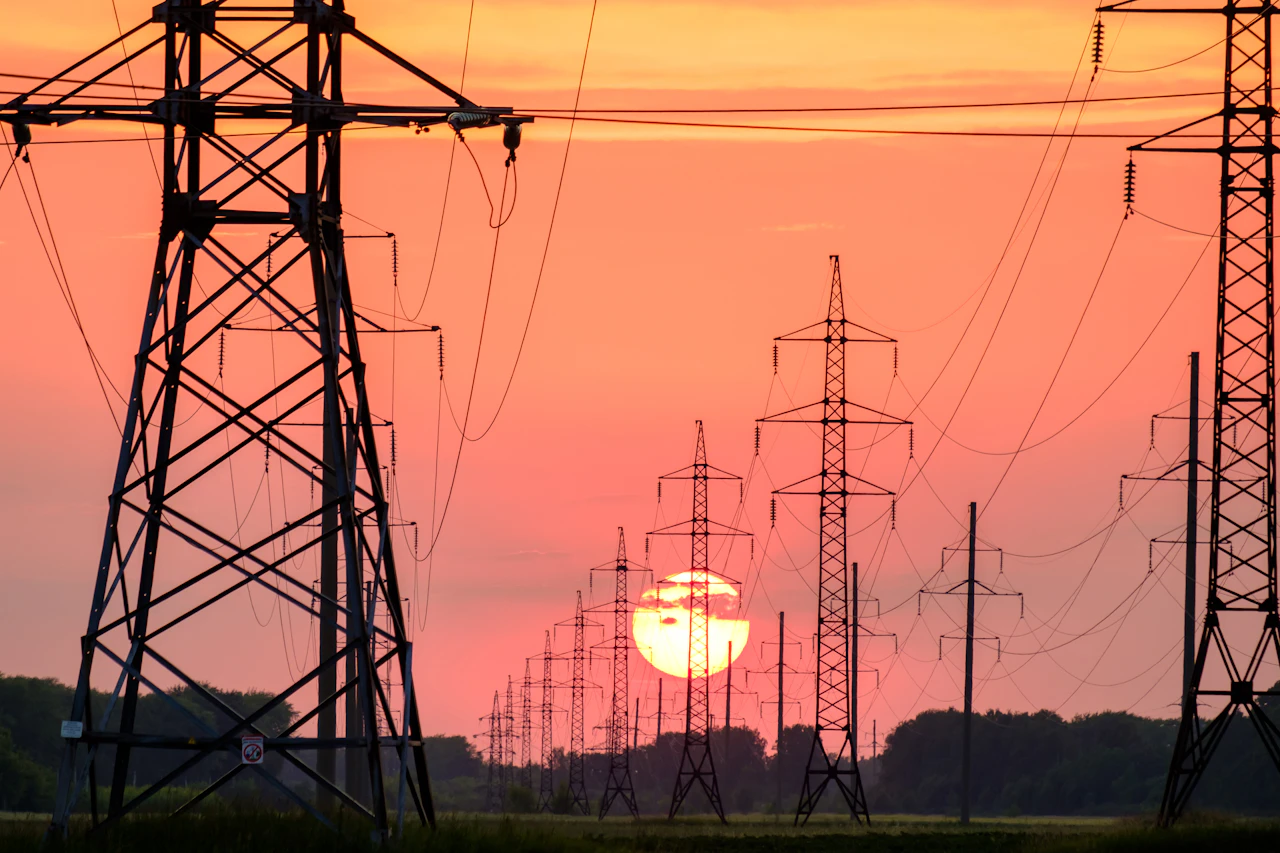
The increasing demand for electricity driven by artificial intelligence applications is putting significant pressure on the U.S. power grid. This situation is creating bottlenecks and shifting power toward utilities and grid operators, as recent reports indicate.
As of June 2, 2026, the Electric Reliability Council of Texas (ERCOT) was dealing with a backlog of requests from data centers, cryptocurrency miners, and industrial sites seeking additional megawatt capacity. This backlog underscores the growing strain on the grid as more entities vie for limited power resources.
Goldman Sachs has projected a rise in the share of U.S. peak summer demand attributable to data centers, expecting it to grow from 4.1% to 8.5%. This increase highlights the urgency of the situation, yet only 50% to 60% of the scheduled capacity is expected to be operational on time. Delays and cancellations are becoming common, worsening the challenges faced by power producers and consumers.
Regulatory Responses and Local Measures
In response to these pressures, New York lawmakers are working to pass legislation that could pause certain data center buildouts. This reflects a growing recognition of the need to manage energy consumption, especially in regions where the grid is already strained. Such regulatory measures may influence the pace of data center expansions and could have broader implications for the AI and crypto sectors.
The Technical Landscape
Several factors contribute to the power-system constraints facing data centers and related facilities. Key bottlenecks include land availability, generation capacity, water supply, high-voltage transformers, and local permitting processes. These constraints dictate how many megawatts a site can reliably draw and how quickly new loads can connect to existing transmission and distribution infrastructure.
This dynamic is reshaping the environment for compute facilities, where grid readiness and local regulations are increasingly significant. As these factors become binding constraints, they impact timelines, location choices, and the marginal costs of computation. Consequently, the balance of commercial power is shifting from chip and GPU suppliers to utilities and independent power producers who control or finance generation and interconnection.
Looking Ahead: Monitoring the Landscape
For those in the AI and data center sectors, several critical signals are worth monitoring. Tracking the backlog of interconnection requests at major Independent System Operator/Regional Transmission Organization (ISO/RTO) footprints will provide insights into evolving capacity challenges. State-level permitting processes and any moratoria, such as the one proposed in New York, will be crucial in determining the future of data center expansion.
Market participants should also watch for utilities that may begin issuing higher tariffs or demand charges, as well as any long-term power purchase agreements related to compute facilities. Communications from system operators like ERCOT regarding queue processing and reliability constraints will also serve as important indicators of market dynamics.
The intersection of rising AI electricity demand and grid readiness is a key infrastructure narrative for AI teams. As this situation evolves, the implications for scaling AI workloads and energy consumption will be significant, requiring close attention from all involved.
The stories that move AI & crypto markets — before the market reacts.
Free. 7am ET. Five stories. 62,400 readers.