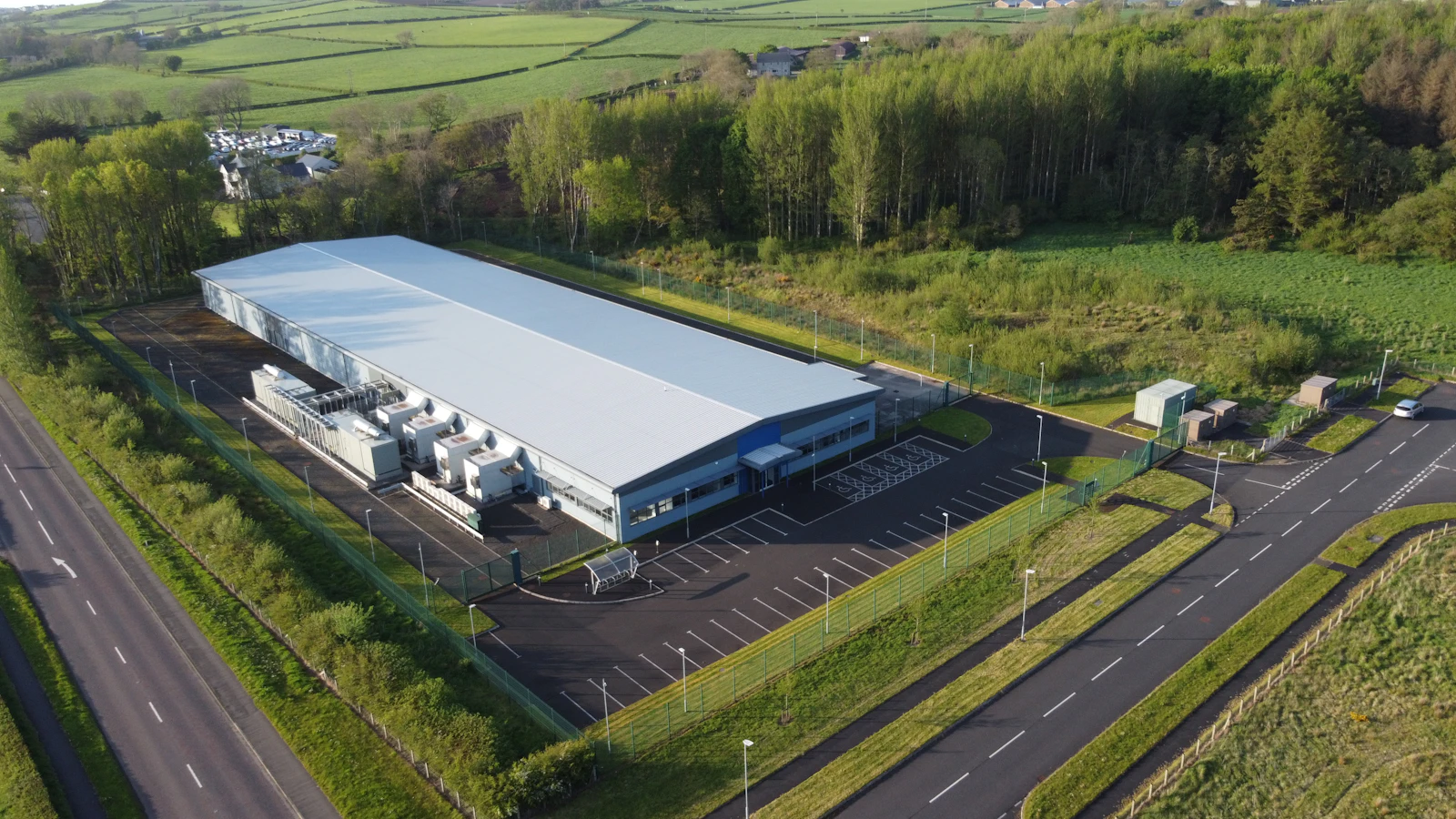
The accelerating demand for AI capabilities is revealing a critical gap between ambitious investments and the physical infrastructure needed to support them. As enterprise interest in AI technology continues to grow, CIOs face a pressing reality: the infrastructure necessary for widespread AI adoption is increasingly constrained and delayed.
Infrastructure Bottlenecks Emerge
Recent analyses, including a report from JPMorgan, highlight the growing strain on energy resources due to AI's significant electricity consumption. At the same time, legal disputes and permitting challenges are obstructing the construction of new data centers. The convergence of these issues has left many in the industry questioning whether current infrastructure can meet future demands.
David Linthicum, founder of Linthicum Research, underscores this concern by noting a substantial mismatch between announced investments in AI and the actual deployable capacity. He explains that while financial commitments to AI infrastructure are considerable, the realities of power availability, cooling solutions, and hardware supply chain limitations are slowing down delivery.
The Cost of AI Expansion
With major tech companies increasing spending on AI infrastructure, the implications for CIOs are significant. Edward Liebig, CEO of Yoink Industries, points out that the demand for AI infrastructure is outpacing not only the construction of data centers but also essential services like power and cooling. He warns that this trend could expose weaknesses in how organizations deploy AI, leading to inefficiencies and disconnected initiatives that struggle for resources.
The phenomenon known as "AI sprawl" describes a situation where organizations experiment with multiple AI applications without a cohesive strategy. Liebig emphasizes that such disorganized efforts may leave firms vulnerable during peak demand periods.
Assessing the Risk of Capacity Shortages
While some experts anticipate a crisis in AI capacity, not everyone agrees. Donald Farmer, a futurist at Tranquilla AI, suggests that many CIOs have time to adapt, as the adoption of agentic AI—intelligent systems that autonomously make decisions—is expected to drive enterprise growth in the coming years. However, he cautions that organizations must prepare for uneven access to AI resources, particularly smaller enterprises that may find themselves at a disadvantage.
Linthicum points out that the real risk lies not in outright scarcity but in the potential for intermittent access to AI resources, which could increase costs and complicate operational processes. This evolving situation may force organizations to reassess their AI strategies, especially those that currently assume seamless access to computational power.

Governance and Strategic Prioritization
The anticipated infrastructure constraints are reshaping how enterprises approach governance and resource allocation. Liebig suggests that organizations prioritizing operational resiliency and control over their AI initiatives may fare better amid infrastructure challenges. By focusing on critical use cases and validating their value through incremental expansion, companies can mitigate risks associated with limited resources.
CIOs are encouraged to categorize AI projects based on their importance to operational goals, ensuring that infrastructure allocation is intentional rather than reactive. Linthicum proposes a tiered approach to AI initiatives, enabling companies to navigate infrastructure pressures more effectively.
Navigating Vendor Relationships
As the landscape shifts, the relationship between CIOs and AI vendors is becoming increasingly important. Experts recommend that IT leaders seek greater transparency regarding capacity management from their suppliers. Key questions should include inquiries about capacity guarantees during peak demand, prioritization of workloads, and failover options.
This new focus on operational reliability rather than merely feature sets can help organizations navigate challenges effectively. Liebig urges CIOs to ask how vendors handle resource constraints and the dependencies that may impact service reliability during high-demand periods.
As AI infrastructure constraints become more pronounced, enterprises must adapt their strategies to meet growing demands. Integrating operational discipline, strategic prioritization, and transparent vendor relationships will be essential for successfully navigating the evolving AI landscape.
Quick answers
What are the main infrastructure challenges facing AI adoption?
Key challenges include power availability, data center construction delays, and the need for efficient cooling and hardware supply.
How should CIOs adapt to rising infrastructure constraints?
CIOs should prioritize operational resiliency, categorize AI initiatives, and seek transparency from vendors about capacity management.
Is there a risk of an immediate AI capacity crisis?
While experts disagree on the immediacy of a crisis, many agree that uneven access and increased costs are likely as demand continues to rise.
The stories that move AI & crypto markets — before the market reacts.
Free. 7am ET. Five stories. 62,400 readers.