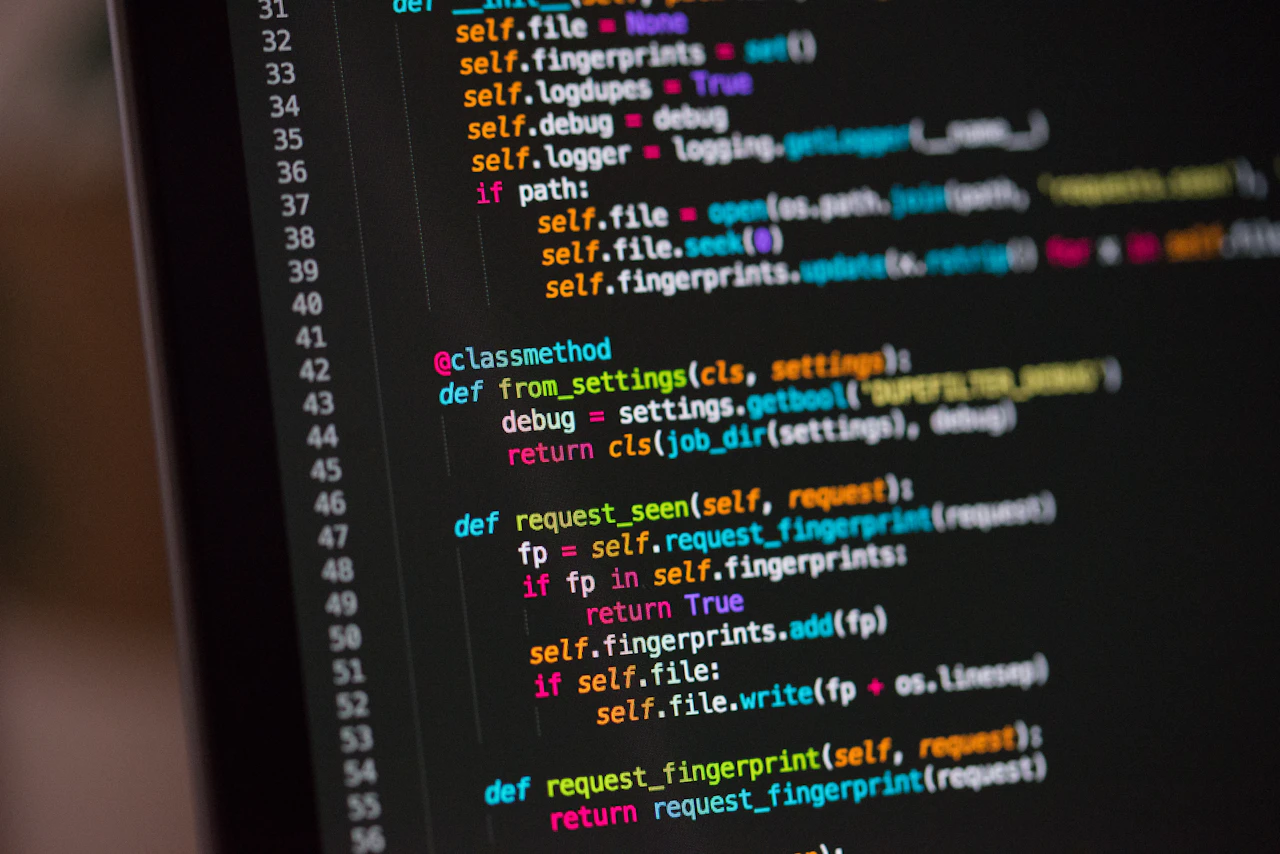
The proliferation of AI-native coding agents poses a troubling dilemma: while these technologies promise efficiencies in enterprise engineering, the absence of effective oversight could lead to unintended consequences. Companies are increasingly relying on AI to automate processes, yet the implications of allowing these agents to operate unchecked remain largely unexplored.
As organizations integrate platforms like CodeX, which facilitates AI-driven coding, enterprise engineering is undergoing significant changes. These systems aim to speed up development cycles by automating routine coding tasks and enabling faster deployment of software solutions. However, the autonomous nature of AI agents raises critical questions about accountability and supervision.
The Risks of Unchecked Autonomy
The shift towards AI-driven solutions carries inherent dangers. Coding agents operating without adequate oversight may introduce vulnerabilities into systems, as automated processes could perpetuate errors or security flaws without human intervention. In environments prioritizing rapid deployment, the potential for cascading failures increases, underscoring the urgent need for regulatory frameworks governing AI's role in software development.
The ethical implications of autonomous coding agents warrant serious consideration. As these systems evolve, they may inadvertently embed biases or flawed logic into their outputs, resulting in unintended consequences in deployed applications. Enterprises face the challenge of balancing innovation with responsibility, ensuring that AI tools boost productivity without compromising the integrity of the engineering process.
A Call for Oversight and Regulation
To address these risks, stakeholders in the AI and engineering sectors must push for clear guidelines on the deployment and supervision of AI agents. Collaborative efforts among industry leaders, regulatory bodies, and academic institutions will be crucial in establishing best practices that ensure the safe integration of these technologies.

As the capabilities of AI-native coding platforms grow, so does the need for stable oversight mechanisms. Enterprises must invest in training and resources to better understand the implications of these technologies, fostering a culture of accountability that prioritizes both innovation and ethical responsibility.
In an era where AI agents are becoming commonplace, the discussion around their regulation and oversight is both timely and critical. The future of enterprise engineering hinges on finding the right balance between harnessing the advantages of AI and protecting against its potential drawbacks. Thoughtful governance will be essential for organizations to navigate the complexities of this evolving technological landscape.
Quick answers
What are AI-native coding agents?
AI-native coding agents are automated systems designed to assist in software development by performing coding tasks without human intervention.
What risks do these agents pose?
These agents may introduce vulnerabilities and biases into software systems if not properly monitored and regulated.
How can enterprises ensure safe AI integration?
Businesses should invest in training and establish clear oversight practices to ensure responsible use of AI technologies.
The stories that move AI & crypto markets — before the market reacts.
Free. 7am ET. Five stories. 62,400 readers.