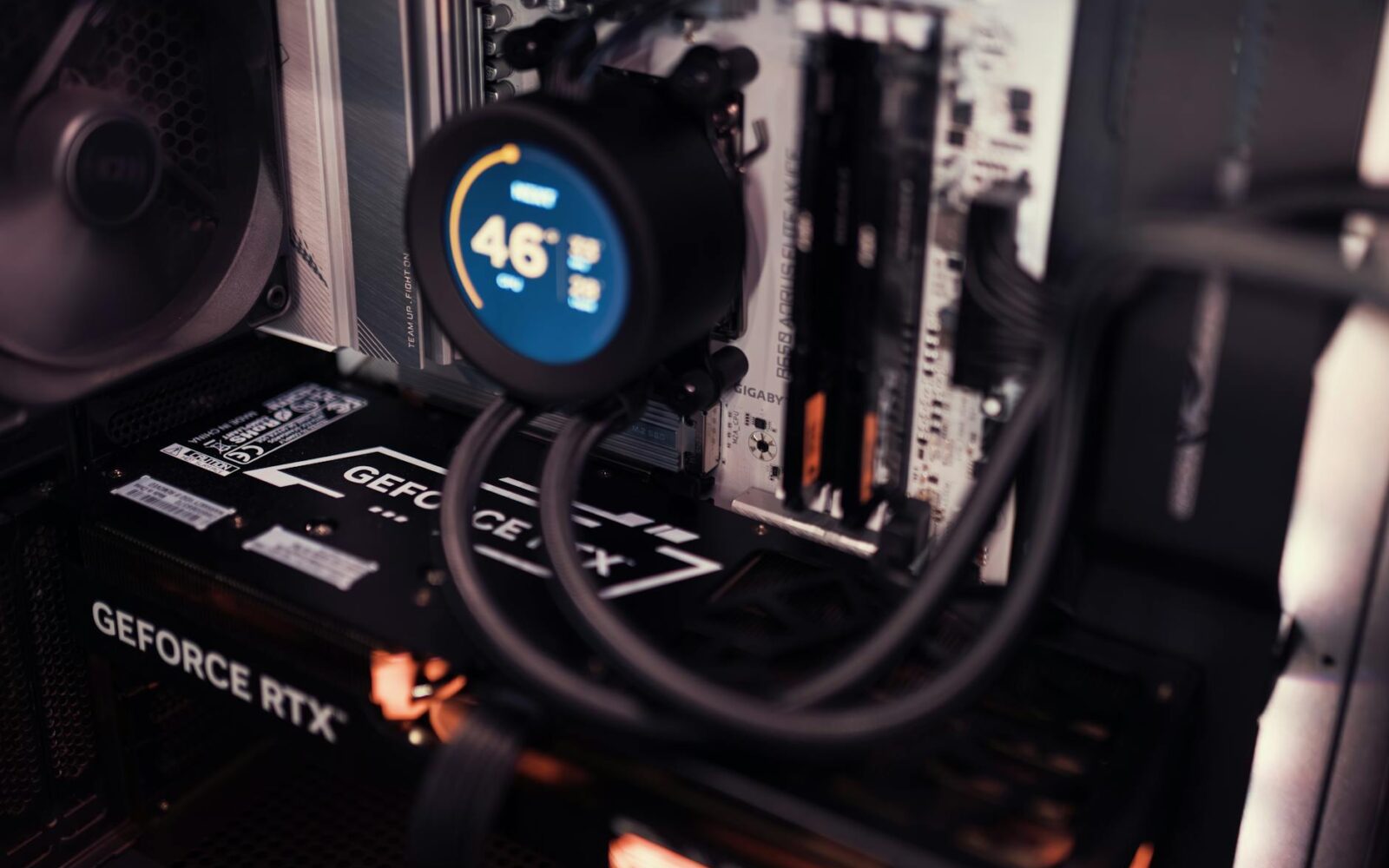
The rapid ascent of artificial intelligence has captivated Wall Street, with investors pouring capital into companies involved in AI chips, cloud infrastructure, and data centers. As businesses scramble to establish the computing backbone essential for advanced software, the financial commitment has reached staggering levels. Projections show that major players like Amazon, Microsoft, Alphabet, and Meta are expected to invest around $725 billion in AI infrastructure by 2026, contributing to an estimated total capital expenditure nearing $1 trillion when smaller firms are included.
The Infrastructure Arms Race
This AI-driven demand has ignited a full-scale arms race in infrastructure development. The focus has expanded beyond Nvidia's GPUs to include data centers, networking hardware, and energy solutions. As companies ramp up their operations, supply chain shortages have surfaced, particularly in high-bandwidth memory chips and advanced GPUs, which are booked out months in advance. Data center developers are also competing fiercely for crucial resources such as land, water access, and electricity capacity.
The implications of this infrastructure boom are significant, especially concerning energy consumption. AI data centers require substantial electricity to sustain continuous computing power for training and inference tasks. As technology evolves towards 'always-on' agentic AI, electricity demands are projected to increase an astonishing 14-fold by 2028, potentially accounting for up to 12% of total U.S. electricity consumption.
Rising Energy Costs
The trends in energy consumption align with a concerning rise in electricity prices. According to the U.S. Bureau of Labor Statistics, electricity prices have jumped 6.1% year over year, a notable trend where costs have consistently risen above 5% for eight of the past ten months. In comparison, the overall Consumer Price Index (CPI) has increased by 3.8% during the same period, indicating that electricity prices are climbing significantly faster than broader inflation rates. This disparity presents challenges for consumers, as electricity costs outpace increases in household incomes.

The Consumer Impact
Ultimately, the question arises: who will bear the financial burden of this AI infrastructure expansion? As spending on AI capabilities skyrockets, it seems that consumers will increasingly shoulder the costs through higher utility bills. The pressure on the electricity grid will likely lead to further price hikes, making it essential for consumers to prepare for a future where the costs associated with AI's growth are passed down from corporations to households.
As companies continue to invest heavily in AI infrastructure, the balance between innovation and affordability will come under scrutiny. The future of AI may depend not only on technological advancements but also on how these developments impact everyday consumers financially. With the trajectory of electricity demand and pricing, the conversation around AI infrastructure spending has never been more urgent.
Quick answers
What is driving the AI infrastructure spending surge?
The need for advanced computing capabilities to support AI applications has led major companies to invest heavily in infrastructure.
How much are major companies expected to spend on AI infrastructure by 2026?
Major companies like Amazon, Microsoft, Alphabet, and Meta are projected to spend around $725 billion combined on AI infrastructure by 2026.
What impact will rising electricity costs have on consumers?
As AI data centers demand more electricity, consumers are expected to face higher utility bills, as electricity prices are rising faster than overall inflation.
The stories that move AI & crypto markets — before the market reacts.
Free. 7am ET. Five stories. 62,400 readers.