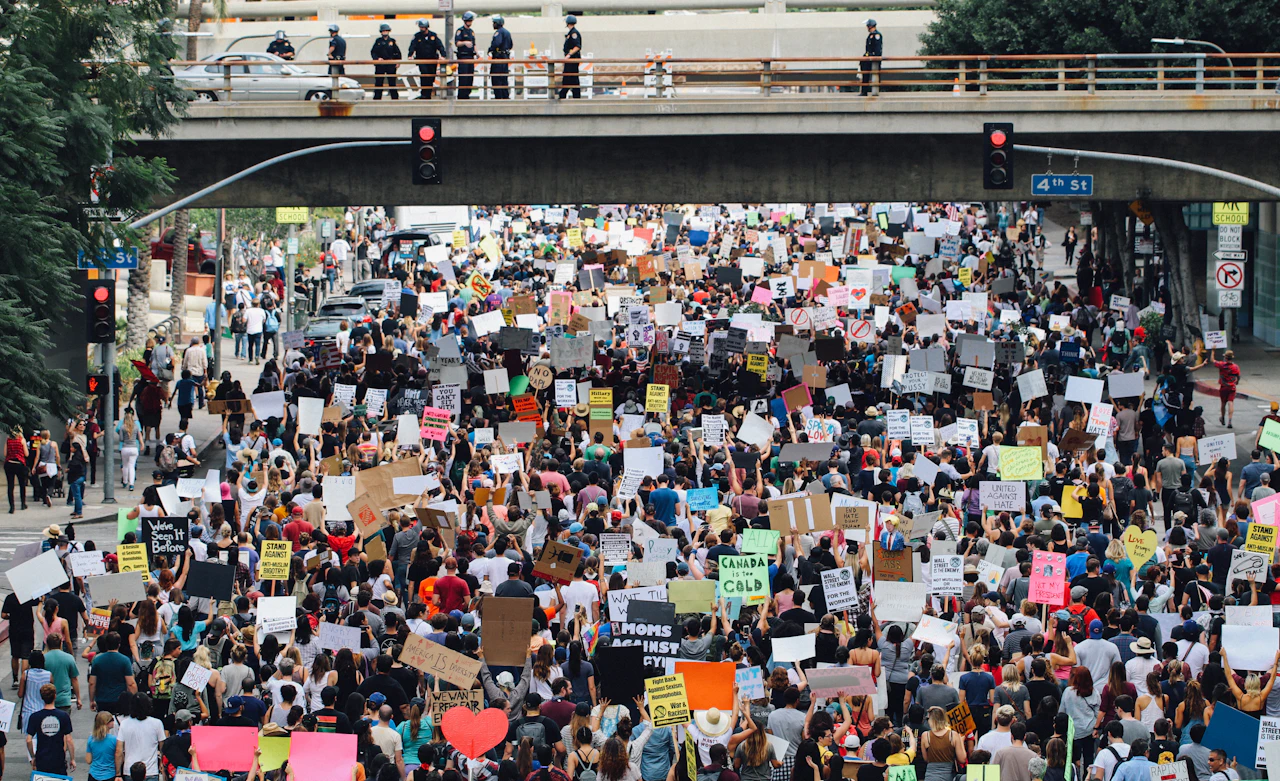
A new Reuters/Ipsos poll has unveiled significant public dissent regarding the swift expansion of data centers that support artificial intelligence technologies. Only about one in three Americans approve of this rapid development, while a substantial majority—64%—oppose the construction of such facilities altogether. This growing unease coincides with the upcoming midterm elections, making local sentiments increasingly pivotal in shaping political narratives.
Concerns Over Local Impact
Resistance is particularly pronounced concerning data centers in local communities. Approximately 57% of respondents indicated they would oppose having a data center built in their neighborhood. This opposition stems from fears about rising electricity costs and the extensive land use required by these facilities. As AI technologies demand considerable resources, these factors have sparked debates at both local and national levels.
Political Ramifications
The rapid push for AI development has characterized President Donald Trump's administration, aiming to maintain a competitive edge over China. Federal agencies have been tasked with expediting infrastructure permits, yet public skepticism continues to grow. Progressive political candidates are seizing on these sentiments, with figures like Graham Platner from Maine leveraging concerns over inflation and high living costs to challenge Republican incumbents.
The implications are clear: local discontent regarding data centers could create electoral vulnerabilities for those advocating rapid expansion. As inflation weighs heavily on voters' minds, candidates who resonate with public concerns may find themselves in a stronger position as election day approaches.
Transparency and Job Market Effects
Beyond financial worries, transparency issues surrounding data center operations further complicate public perceptions. Many citizens are concerned about the long-term effects on job markets and local economies. The fear that these facilities could detract from traditional job opportunities or lead to job losses adds another layer to the public's disapproval.
As the debate continues, it will be essential for policymakers to address these concerns directly. Ignoring public sentiment could exacerbate tensions and lead to significant pushback against future AI infrastructure projects.
Looking Ahead
With the midterm elections approaching, the growing opposition to data center construction highlights a critical juncture for policymakers and technology advocates alike. A balanced approach that addresses both the urgent demands of AI innovation and the legitimate concerns of local communities is increasingly necessary. As public sentiment evolves, the outcome of this debate may well define the future of AI infrastructure in the United States.
The stories that move AI & crypto markets — before the market reacts.
Free. 7am ET. Five stories. 62,400 readers.