In a bold forecast, Tata Consultancy Services (TCS) Chairman N. Chandrasekaran announced that within the next three years, the company will have an equal number of AI agents and human employees. This prediction, shared during the company's Annual General Meeting, highlights a significant shift toward AI integration within enterprise operations.
Chandrasekaran pointed out that while AI currently operates mainly within software domains, its future lies in physical environments such as factories, supply chains, and energy networks. This transition will require a new breed of experts who can connect IT, AI, and physical infrastructure. He stated, “This will require experts who understand how to link IT, AI and physical equipment and infrastructure.”
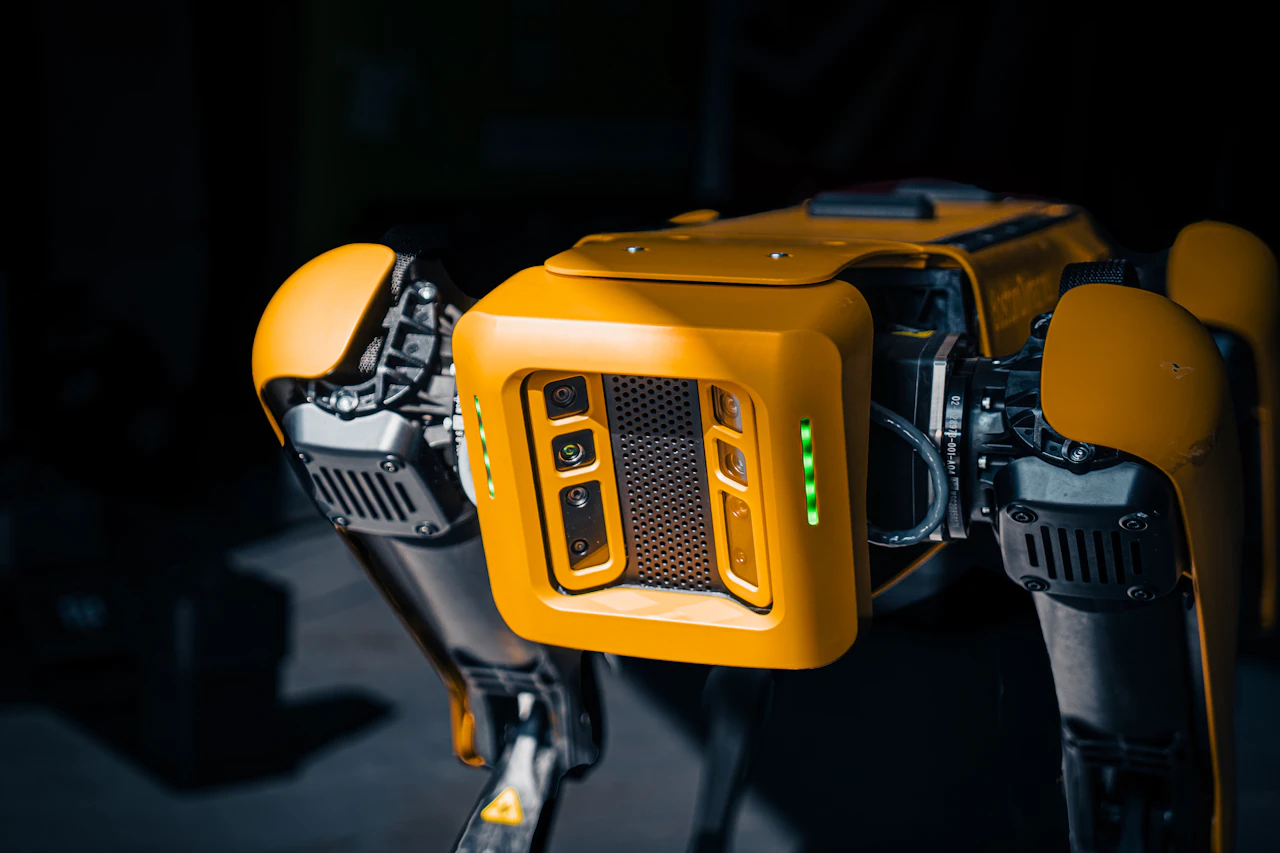
The Chairman showcased a recent project where TCS implemented an innovative AI solution in partnership with a global agribusiness. The project involved deploying a four-legged robot equipped with cameras and sensors to patrol hazardous warehouse environments. This initiative reflects TCS's commitment to using AI technologies to enhance operational efficiency and safety in sectors that heavily depend on human labor.
As enterprises increasingly adopt AI technologies, Chandrasekaran cautioned that simply providing access to these tools isn't enough. He stressed the need for organizing data and integrating it into complex IT systems that have evolved over time. “TCS has spent years with customers, maintaining software, managing change and learning the exceptions that never appear in architecture diagrams,” he explained, highlighting the depth of experience TCS offers.
The ongoing transformation at TCS is evident in its financial performance, with the company reporting an annualized AI revenue of $2.4 billion in the last quarter of fiscal 2026. This reflects a compound quarterly growth rate (CQGR) of 22.4%. Such stable performance indicates strong demand for AI capabilities among its clients.
Chandrasekaran also addressed the competitive landscape, stating that the talent gap in AI can be bridged. However, established firms like TCS have a distinct advantage due to their extensive context and trust built over decades. He remarked, “In enterprise AI, the scarcest resource will not be the model. It will be context and trust.” This insight underscores the critical factors that will determine success in the increasingly competitive field of enterprise AI.
As TCS accelerates its AI initiatives, the implications for its workforce and the broader market are significant. The anticipated parity between AI agents and human employees signifies not only a shift in operational strategy but also a pivotal moment in how businesses integrate AI into their core functions. This transformation is poised to redefine employment and operational dynamics within the tech industry and beyond, as TCS positions itself to lead in this new chapter of AI integration.
The stories that move AI & crypto markets — before the market reacts.
Free. 7am ET. Five stories. 62,400 readers.