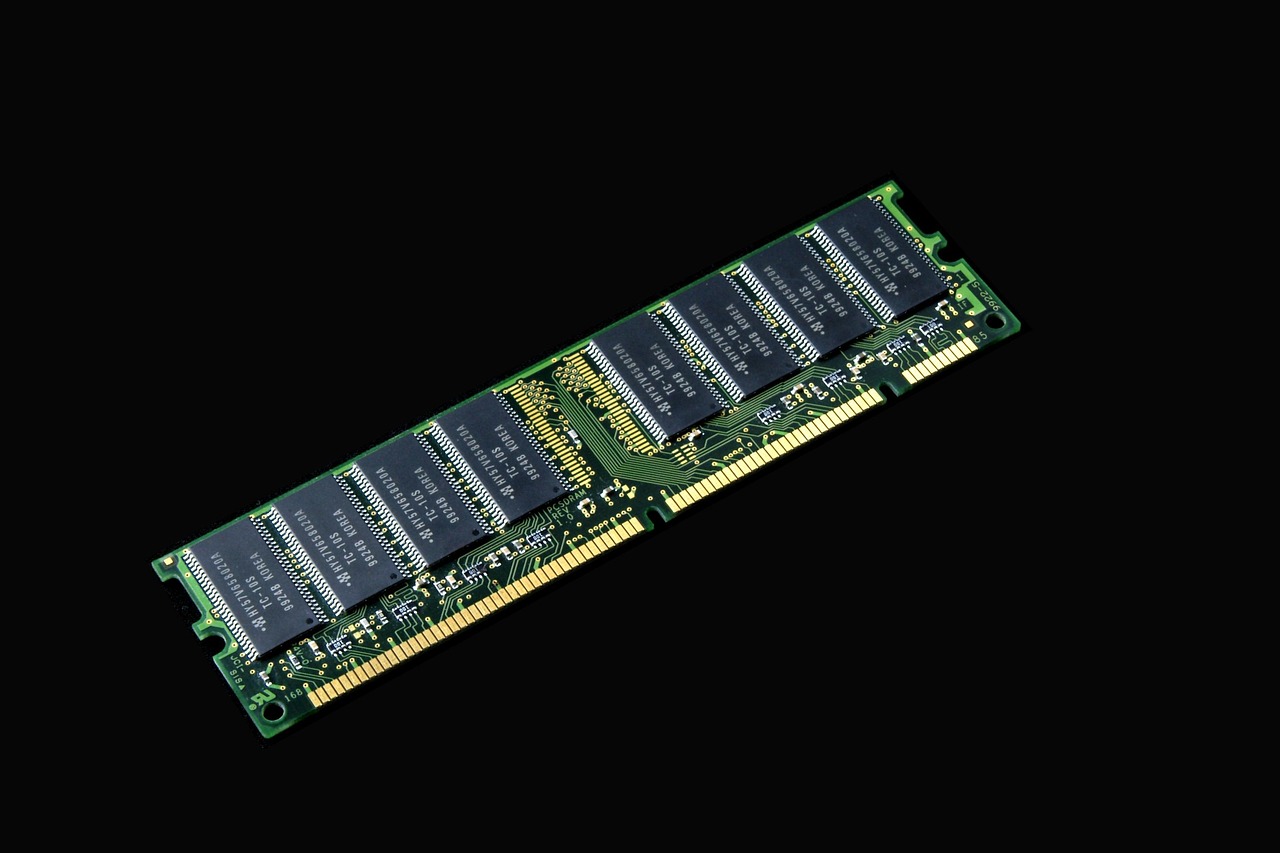
Micron Technology's recent announcement that it can fulfill only 50-66% of customer demand for high-bandwidth memory (HBM) marks a significant inflection point in AI infrastructure. This shortage highlights the growing importance of memory over GPUs as a critical component for AI chip performance and signals a potential tightening of memory supply across the technology sector as demand continues to rise.
The company has sold out its HBM production capacity through 2026 and is actively expanding its manufacturing capabilities quarterly. This shift from a traditional memory supplier to a key player in AI infrastructure underscores the rising significance of HBM in supporting AI applications, especially as demand extends beyond data centers into robotics and edge devices.
High margins associated with HBM are driving Micron's growth trajectory. As AI technology proliferates, the company anticipates its stock could approach $1,000, reflecting the increasing valuation linked to its role in AI infrastructure. Such a leap in stock price would not only attest to Micron's strategic positioning but also indicate the broader market's recognition of memory as a fundamental enabler of advanced AI capabilities.
To address the immediate HBM shortage, Micron has begun production of its advanced 1α DRAM memory chips at its facility in Manassas, Virginia. This marks the most advanced memory chip production in the United States and is part of a $200 billion investment aimed at boosting domestic manufacturing. The new facility is expected to quadruple DDR4 wafer supply, enhancing the United States' ability to meet its growing AI memory needs while creating jobs in the region.
Despite an impressive 80% surge in Micron's stock due to the booming demand for AI-optimized memory, the company's valuation remains relatively modest at about seven times forward earnings. This suggests that investors may still be underestimating Micron's long-term potential within the rapidly evolving AI sector. As retail investors broaden their portfolios to include more AI-related stocks, confidence in the industry continues to grow, reflecting a recognition of AI as a sustainable long-term investment.
The implications of Micron's HBM production challenges extend beyond the company itself. As the tech industry navigates a shift in supply dynamics, the ripple effects could reshape market strategies for companies reliant on advanced AI infrastructure. The increasing reliance on memory as a critical component for AI applications may prompt others in the sector to reassess their supply chains and investment strategies in light of Micron's evolving role.
Looking ahead, the future for AI infrastructure appears poised for substantial transformation. With Micron positioned as a leading supplier of HBM, the company is not only addressing current demands but also setting the stage for future growth in the AI sector. As memory shortages persist, the broader tech industry will need to adapt to these new realities, potentially paving the way for new opportunities and challenges in the AI ecosystem.
The stories that move AI & crypto markets — before the market reacts.
Free. 7am ET. Five stories. 62,400 readers.